Pulp (P): Fliers, newspaper, magazine articles, tickets, photographs, ought to be digitally scanned (if there is no associated electronic file) as a precautionary duplicate.
Documents: Place in acid-free Mylar sleeves and stored in either binders or acid free boxes.
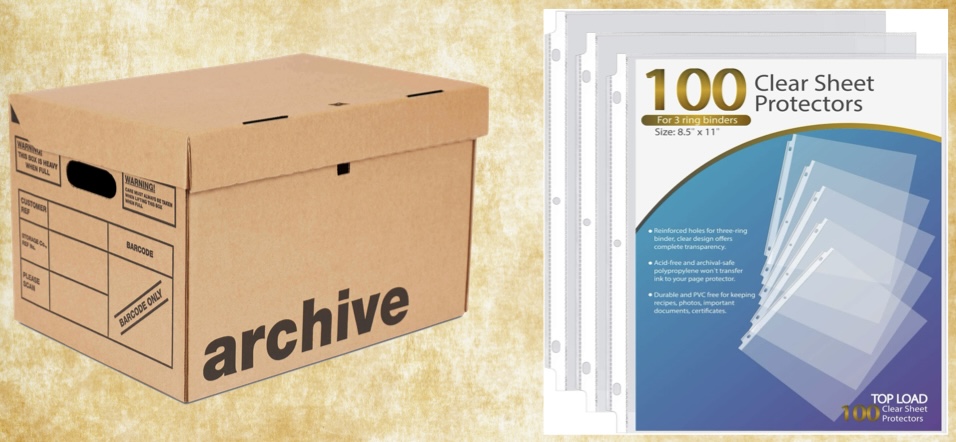
General Paper Preservation Tips
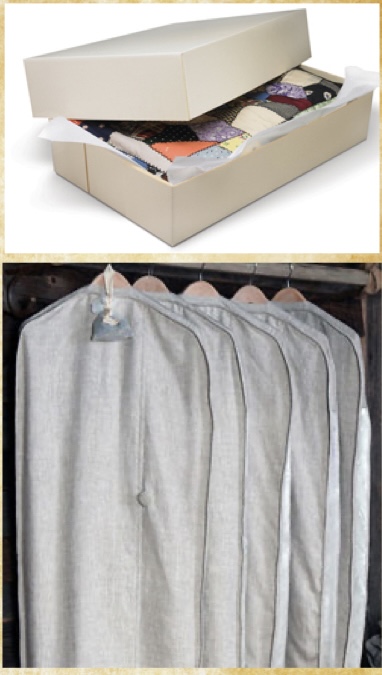
Textiles (T): All fabric items – T-shirts, jackets, hoodies, sweatshirts, sweat pants, shorts, boxers, polo, baseball, soccer, et al shirts, ball caps, quilts, cloth banners, bandanas, towels, etc.
Fabrics ought to be clean and hung on padded fabric hangers (without putting strain on the shoulders, collar, or sleeves) and stored in acd-free muslin garment bags or archival fabric storage boxes.
Dangers to all textiles include: light (both artificial and daylight), dirt, dampness, insects, and excessive heat.
Long-term storage, requires a space that is dry and dark with a cool, even temperature.
Textile Storage
Labeling and marking textiles
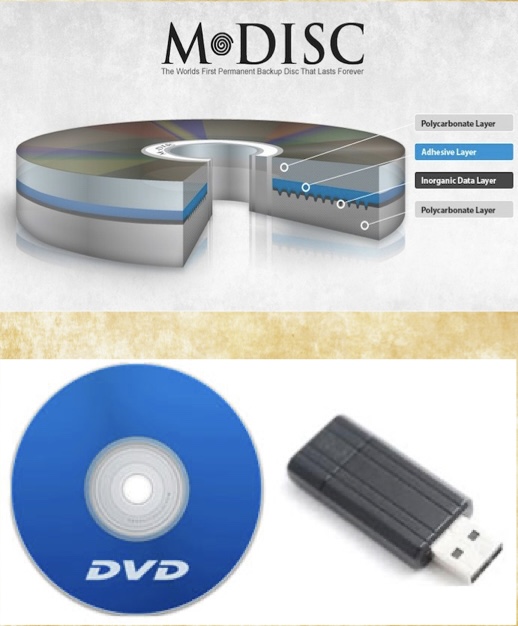
D = Digital: Hardware and software: Hard-drives, CD-ROM, DVD, M-Discs, Thumb-drives, Computer files (i.e. docxs, pdf, jpegs, etc.)
REMEMBER TO BACK UP THE DIGITAL REPOSITORY
It is suggested that all file backups be migrated to an independent cloud account with at least two (2) trusted servants who have full access (login url, user name, password, security questions, etc.) AND that said files (working and archived) be downloaded to a minimum of two (2) hard-drives or thumb-drives. This should be done on a regular basis depending on how often the files are changing i.e. daily, weekly, monthly? Furthermore, it is suggested that the last (2) previous backups be always on file and accessible.
What’s the difference between backup and archiving.
A. Backup is for recovery from hardware failure or recent data corruption or loss.
B. Archiving is for space management and long term retention.
Document Corruption
File corruption usually occurs in the process of incomplete saving of a document, or incorrect saving. To avoid file corruption, make sure to SAVE OFTEN and to a backup to ensure, if there is a loss due to corruption, the file can be retrieved elsewhere.
Best practices suggest having four (4) redundant systems for backing up the digital files.
- The computer on which the Archive is saved.
- The cloud backup in which the Archive information is saved.
- The external hard drive on which the Archive information is saved.
- An “M-DISC” similar to a CD that has more storage and will last 1000 years.
With 4 redundant systems, the chance of losing the majority of the Archive through corruption or total system failure is significantly decreased.