What would the world look like without archives?
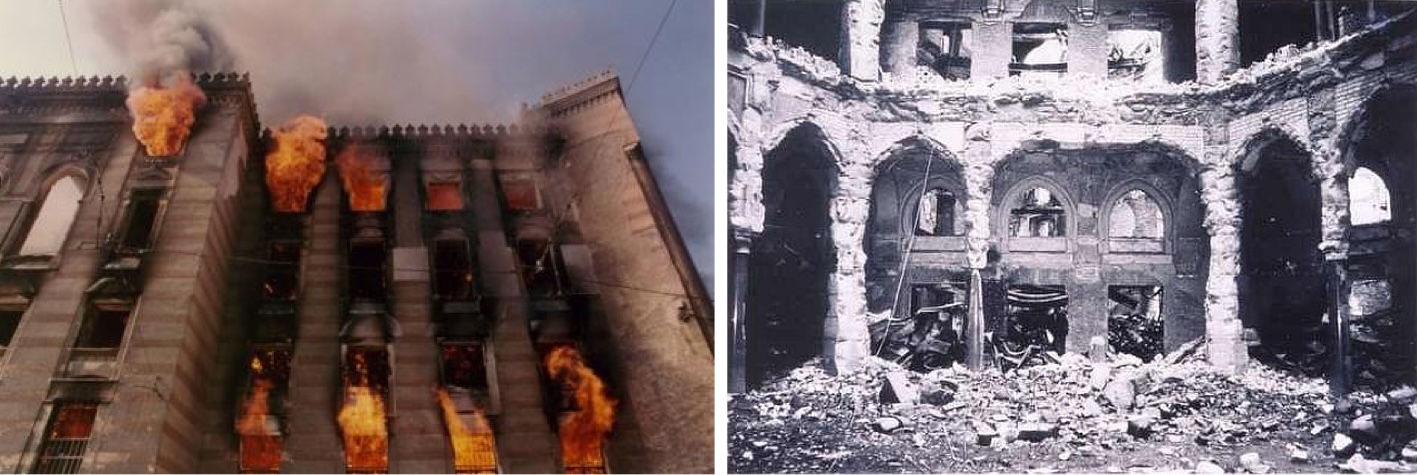
On August 25, 1992, in the Bosnian city of Sarajevo, nearly two million books went up in flames. Fragile, 500-hundred-year-old pamphlets and vibrant Ottoman-era manuscripts disintegrated into ash as the building holding them, the National Library of Bosnia-Herzegovina, was shelled and burned. The burning of the National Library was an attack on more than physical objects, it was “cultural heritage destruction”: intentional and unnecessary destruction of sites and records that act as a community’s collective memory.
The Greek word “mnemonicide” (neh-MAHN-i-cide): The deliberate removal of a public memory marker, often carried out by tyrannical regimes to blot their predecessors and opponents from history. – (Schultz 2015 “How Cultures Remember”). The destruction of archives and records is a destruction of the unseen, not of flesh and blood but that of the soul of a people. – (Sleeman 2006 “Cultural Genocide”)
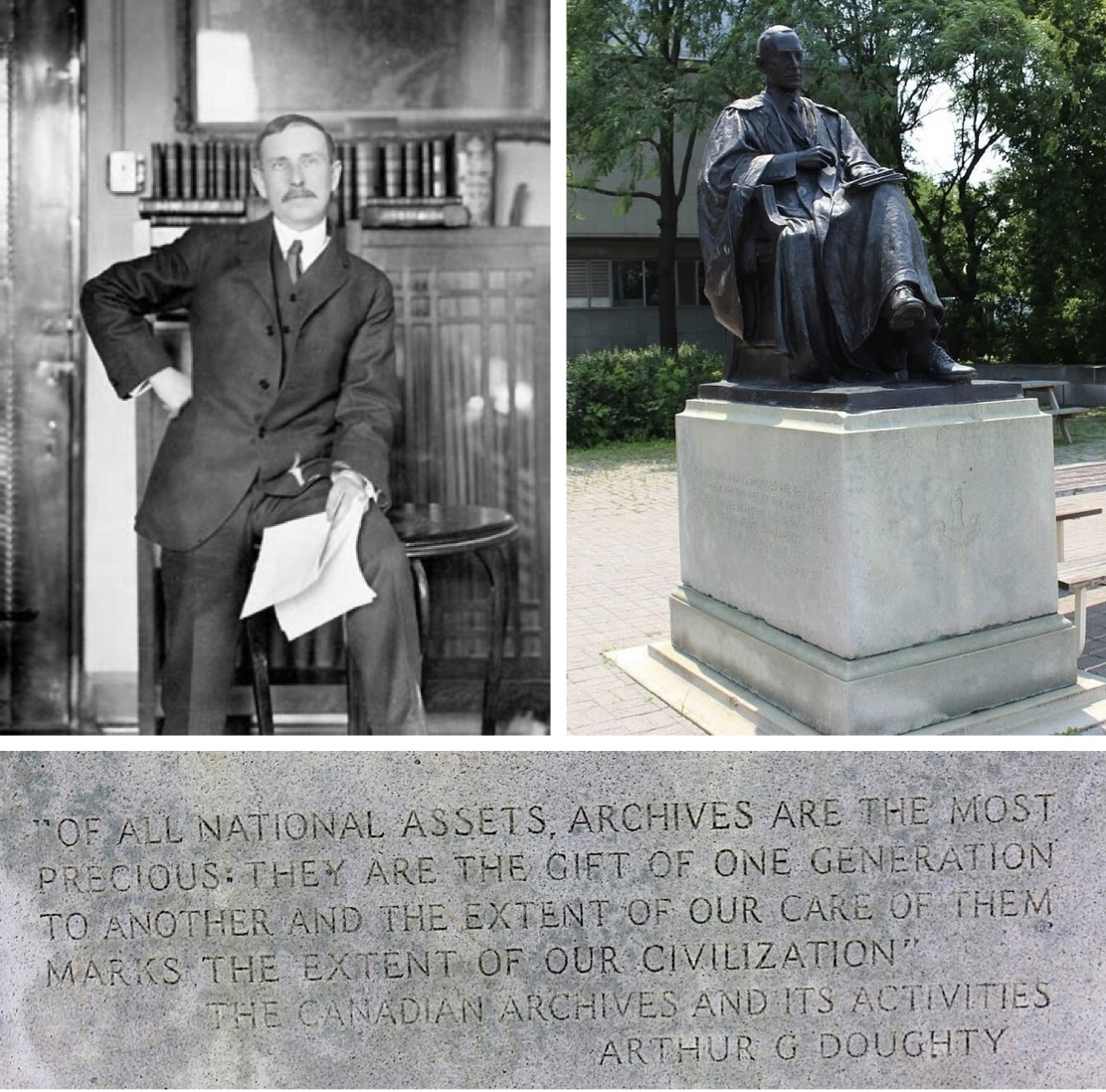
“Of all national assets, archives are the most precious, they are the gifts of one generation to another, and the extent of our care of them marks the extent of our civilization.” — Ottawa, Canada, monument of Sir Arthur George Doughty (1860-1936) A Canadian civil servant and Dominion Archivist and Keeper of the Public Records.
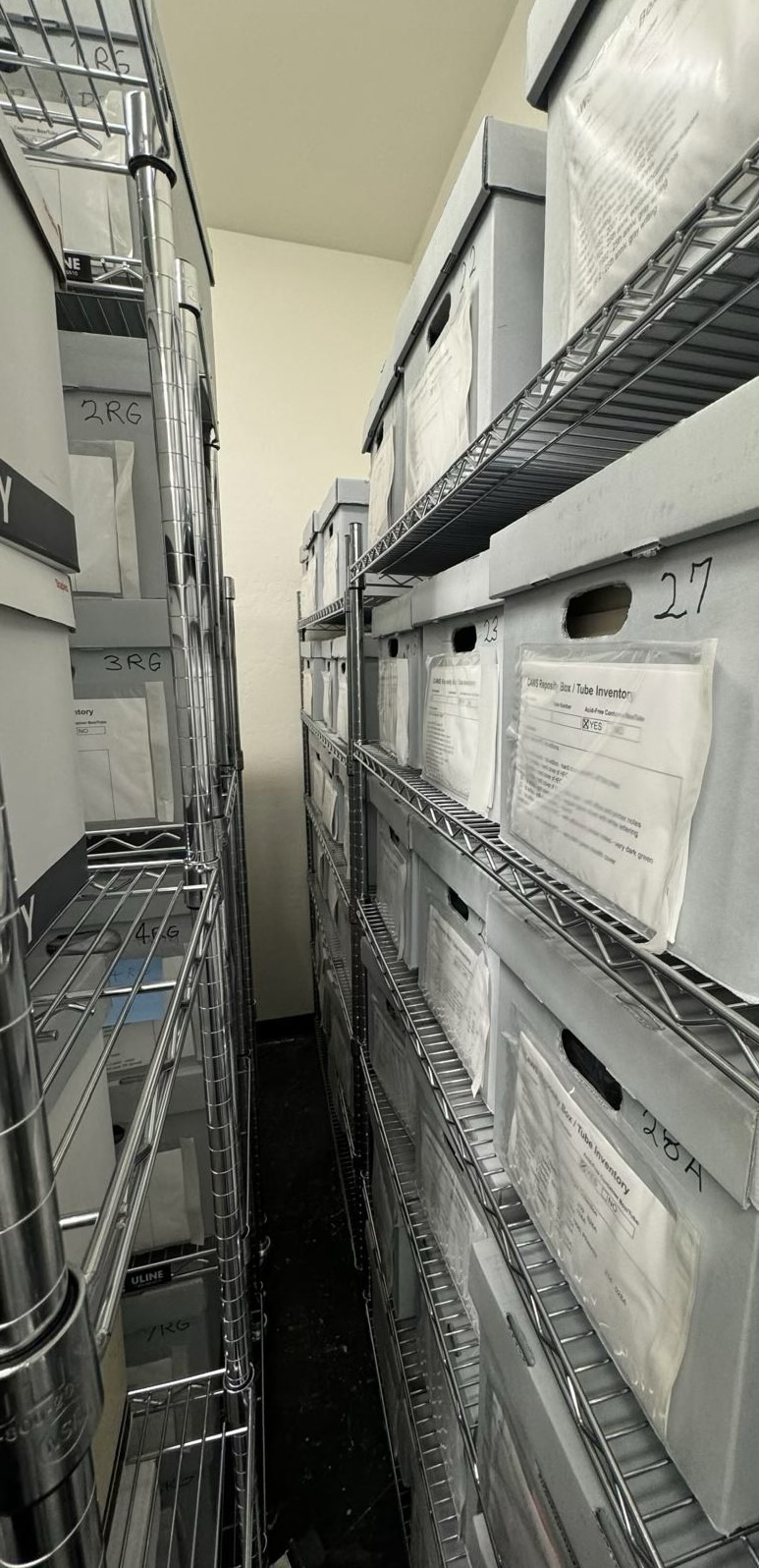 A C.A. Archive Committee collects, preserves, catalogs and curates the historical record of the activities of Cocaine Anonymous at the World, Region, Area, District and Group level of service to those addicts who still suffer (Tradition Five).
Our archives can tell us more about our membership, our committees, our procedures and most importantly how we got from way back when to where we are now, which can have a tremendous bearing on where C.A. is headed.
Our C.A. Archive can tell us stories and increases our sense of C.A. identity and helps us to understand of our fellowship, both locally and globally. This dynamic not only focuses our C.A. identity, it also facilitates C.A. Unity.
We as an Archive Committee of Cocaine Anonymous and those of you as Archivists in your respective Areas have done much to collect and preserve C.A.’s history. C.A. is an expanding global concern and our responsibility to preserve and protect C.A.’s legacy leaves us with much to do. If you are not already involved in C.A. Service, please consider joining us in the Archives and play an integral part in protecting C.A.’s future, by preserving C.A.’s past.
Archive Goals for Cocaine Anonymous
- Create a District/Area Archive Committee
- Develop an archives policy: clearly define its purpose, goals and the type of material it will acquire.
- Collect appropriate C.A. material: actively gather records from the District/Area/Group and the C.A. Fellowship at large.
- Be responsible for the archival holdings: know what material is in the archives and where it came from; storing the archives properly and securing it against theft, damage, and environmental or human hazards.
- Make archival materials available for use by the C.A. fellowship.